Thousands of years ago
Beer in early civilisations.
Beer was already made in Mesopotamia and ancient Egypt. It was part of daily life and the diet, although those early drinks were only partly comparable to beer as we know it today.
 +43 664 88941 055
An illustrated story From grain to glass
Malt in your hands. Hops in the wort. Time in the tank. Follow the six stages of brewing through pencil drawings inspired by our brewery.
Where did it all begin?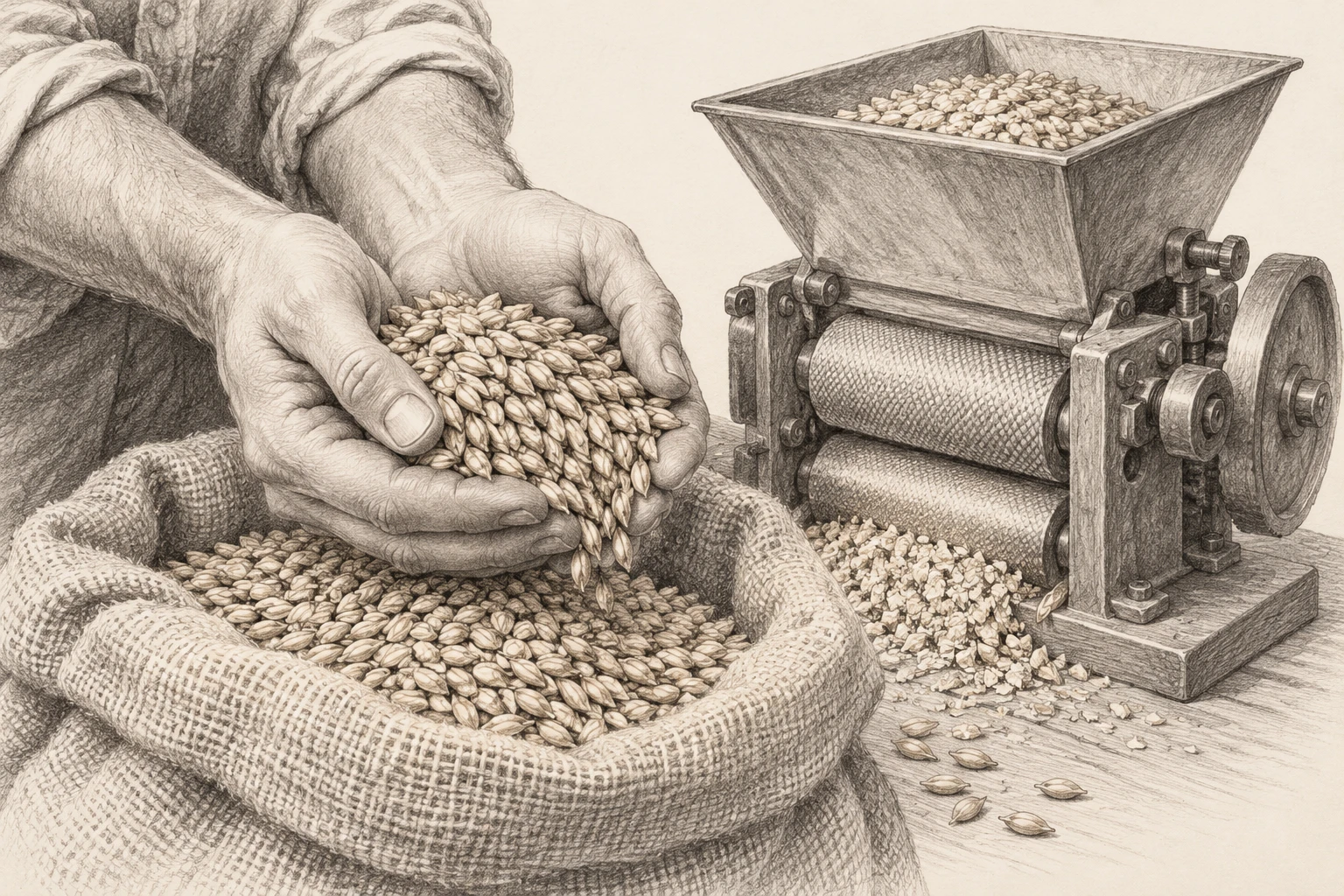
01 / 06 Choose & mill the malt
Beer starts with a choice: which malt suits our idea? Malt is grain that has germinated and then been dried. Depending on the variety, it adds pale, caramel or roasted notes. For brewing, it is milled to break open the grain and make its starch accessible.
For flavour: malt shapes colour and body.
02 / 06 Mash & lauter
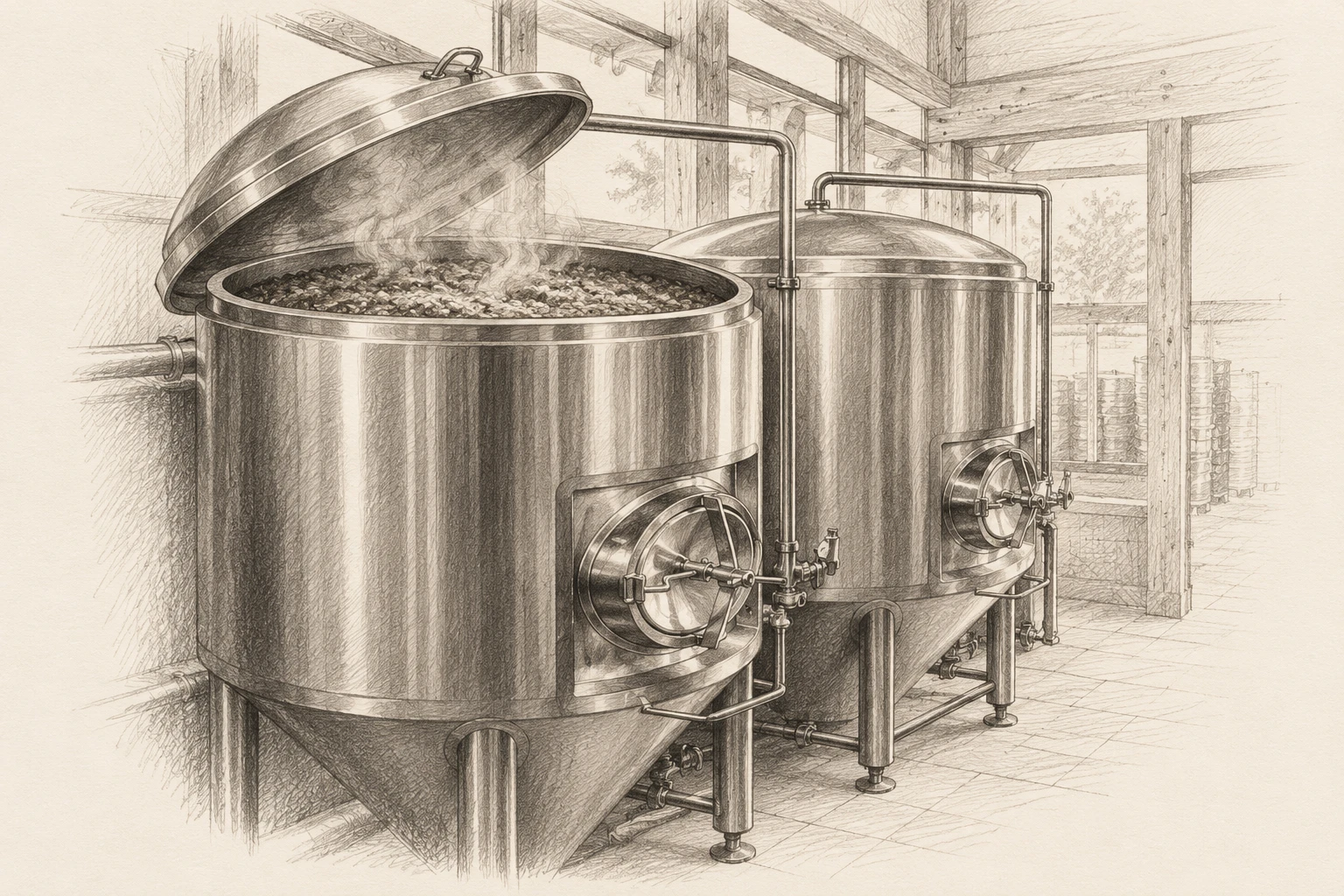
The milled malt meets warm water. During mashing, enzymes convert starch into sugar. Lautering then separates the liquid wort from the spent grain. This wort forms the basis of the beer to come.
For flavour: this creates the foundation for body and fermentability.
03 / 06 Boil the wort & add hops
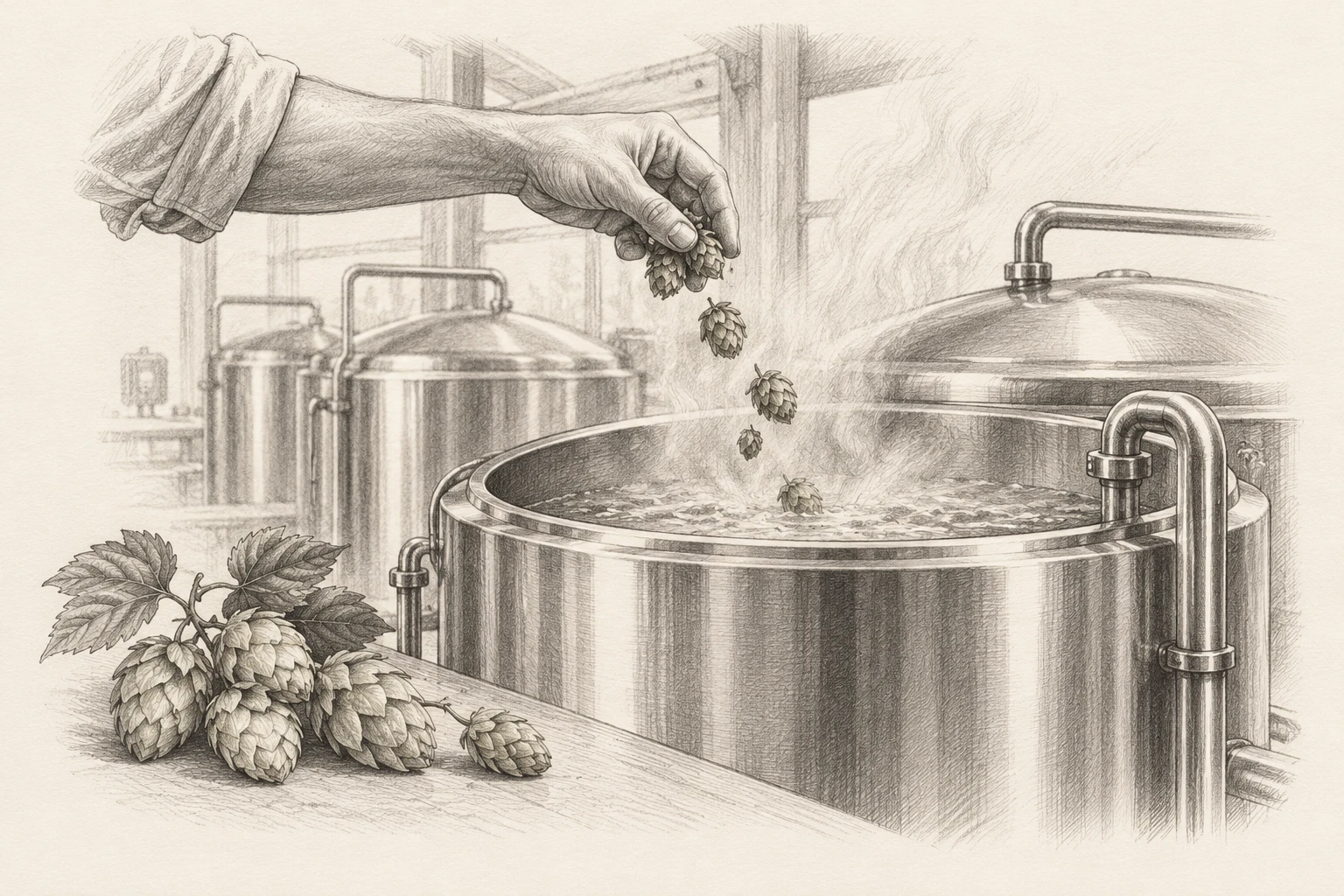
The wort is boiled and hops enter the picture. Variety, quantity and timing affect bitterness and aroma. For some styles, more hops can be added later. This creates very different flavour profiles.
For flavour: hops can bring gentle bitterness, citrus, floral or tropical notes.
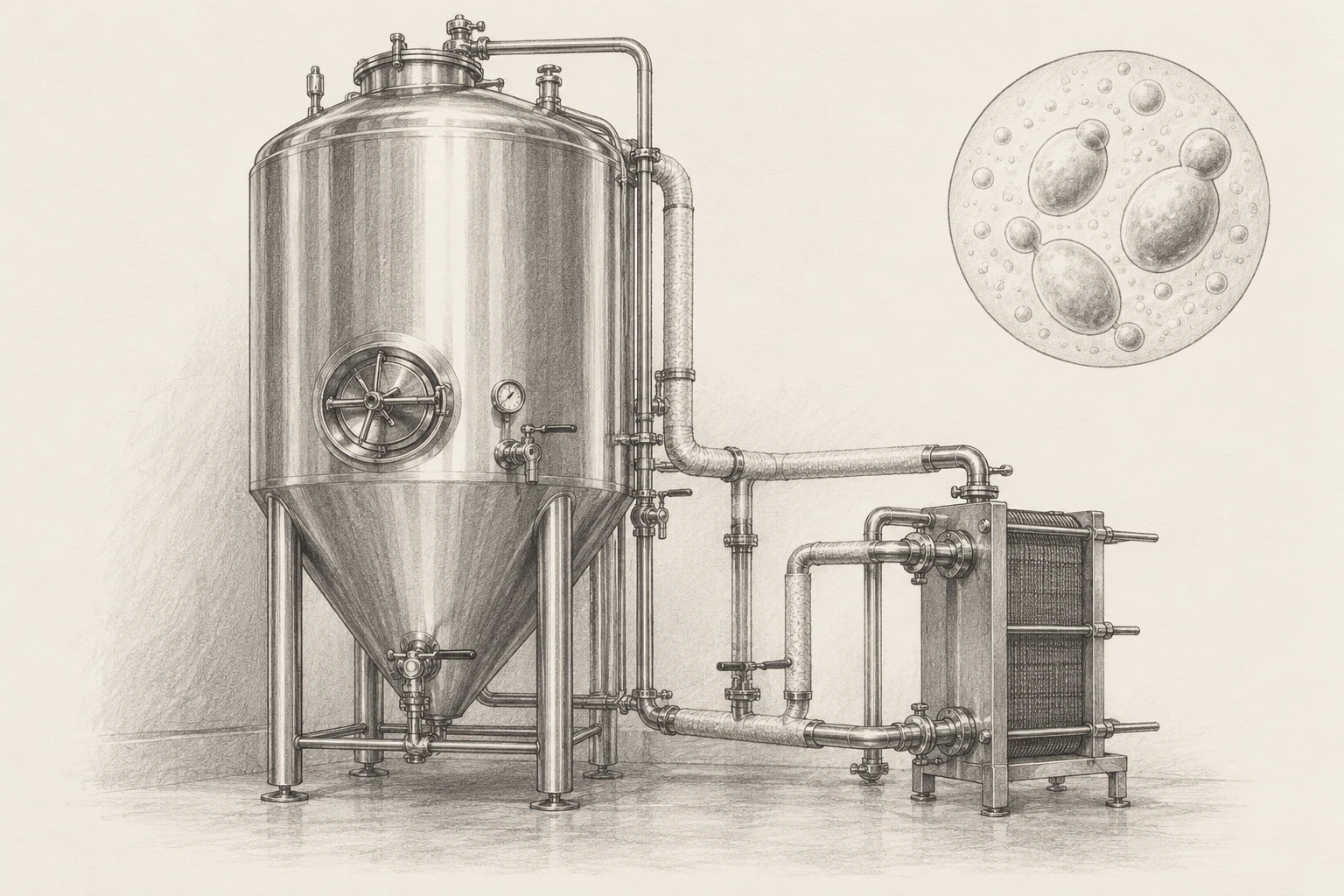
04 / 06 Cool & ferment
After boiling, the wort is cooled and yeast is added. It converts fermentable sugar into alcohol and carbon dioxide, while also creating aromatic compounds. The yeast strain and fermentation process are therefore crucial to a beer’s character.
For flavour: yeast has its own signature too.
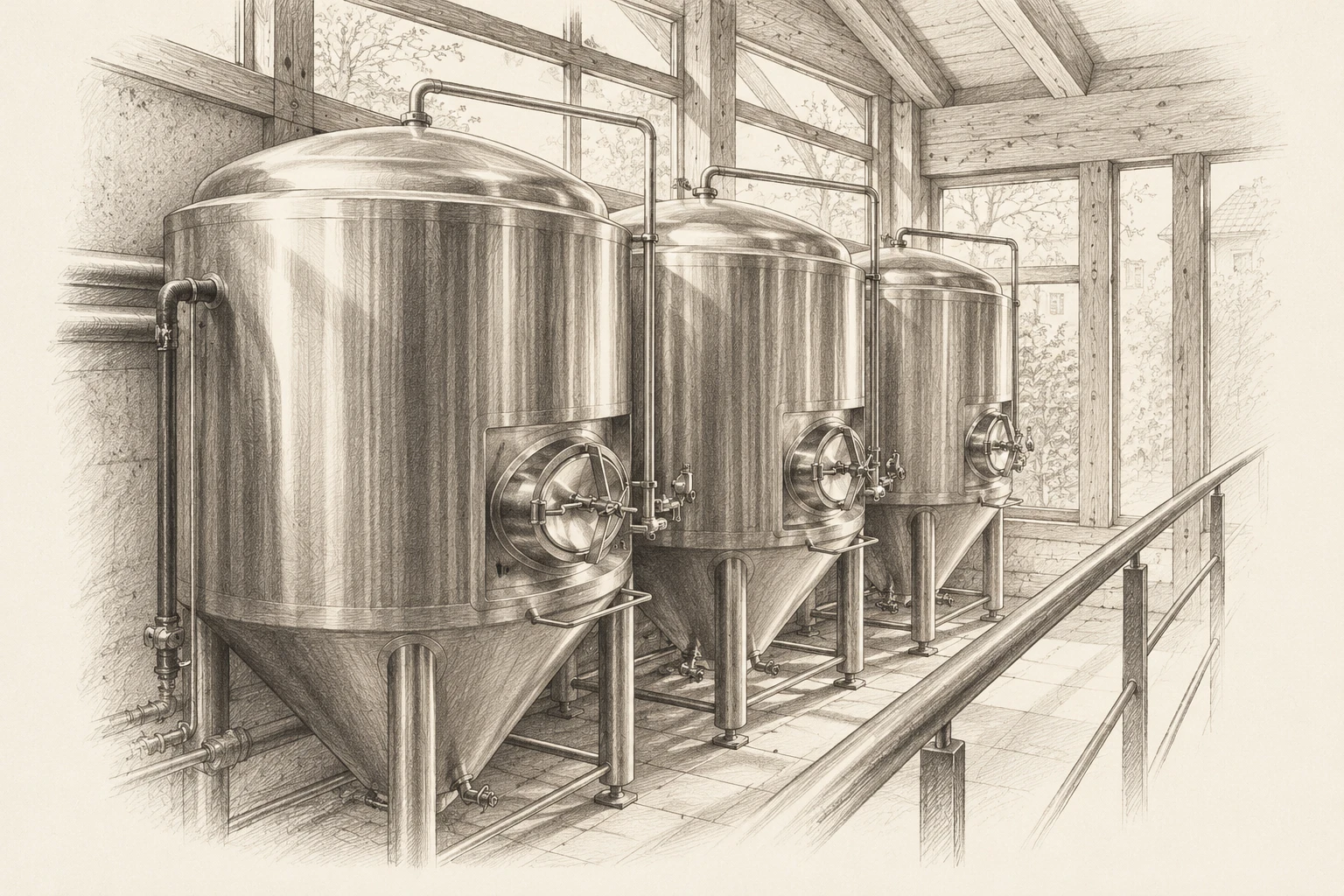
05 / 06 Allow to mature
After primary fermentation, the beer is still young. During maturation, its flavours develop and become rounded. How long this takes depends on the style and recipe. A robust speciality beer needs different treatment from a light Helles.
For flavour: patience is part of the recipe.
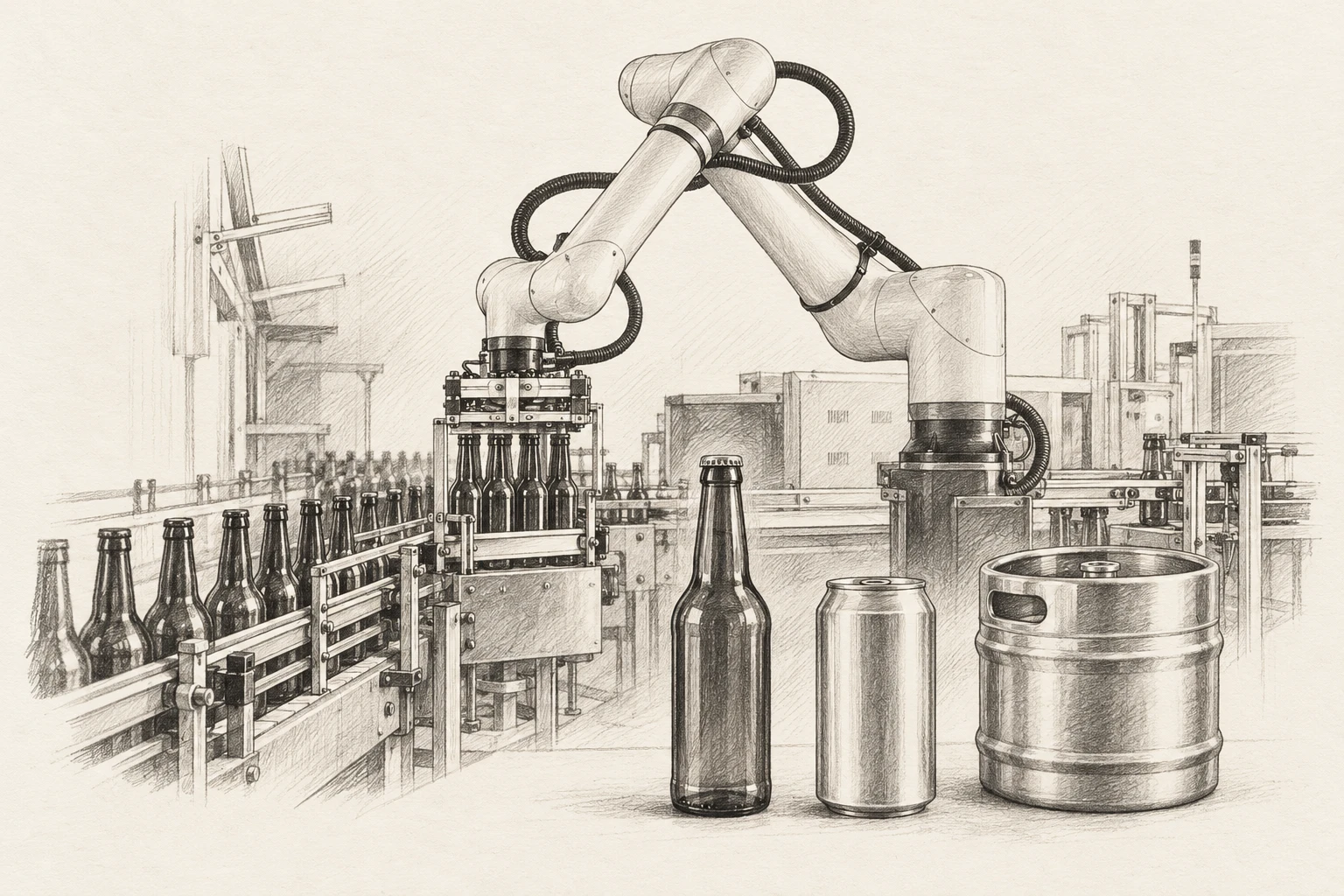
06 / 06 Fill & label
Our finished beer goes into kegs, bottles or cans. Careful packaging preserves its quality. Our equipment and robot support the team in this work. Finally, the label gives each beer its own outward identity.
For enjoyment: craft and precision to the very last step.
Beer history An ancient craft. Always new ideas.
People have brewed for thousands of years. Experience became craft, and craft led to increasingly precise knowledge. Here are a few milestones on the way to Mauthen.
Thousands of years ago
Beer was already made in Mesopotamia and ancient Egypt. It was part of daily life and the diet, although those early drinks were only partly comparable to beer as we know it today.
In the Middle Ages
Brewing developed further in homes, monasteries and town breweries. Experience, local ingredients and the possibilities available shaped each beer.
Carinthian brewing tradition
Stone beer has a long history in Carinthia and Styria. Heated stones were used to warm the mash, and sugars could caramelise on their surfaces: a distinctive example of the close relationship between technique and flavour.
In the 19th century
Advances in cooling and a better understanding of fermentation made production more controllable. The craft gained new tools; the ambition to make good beer remained.
Our story Where we go from here
A place with a brewing history. Two friends with an idea. And the determination to make it their own.
Alois’s great-grandfather was already brewing beer at the family premises.
Alois Planner and Klaus Feistritzer found LONCIUM in the old stable. With friends, they largely build the first brewhouse themselves; Alois’s father backs the project with bank guarantees.
The first brewhouse reaches its limits. A major rebuild replaces it with a 20-hl system from Rolec in Germany.
A major investment in the returnable-bottle line marks the next milestone in our brewery’s development.
Craft, original ideas and modern technology – from the brewhouse to the packaging robot.
Now you know what goes into it.
A tour takes you right into the brewery. A brewing workshop lets you get hands-on. And a tasting gives all that knowledge its flavour.
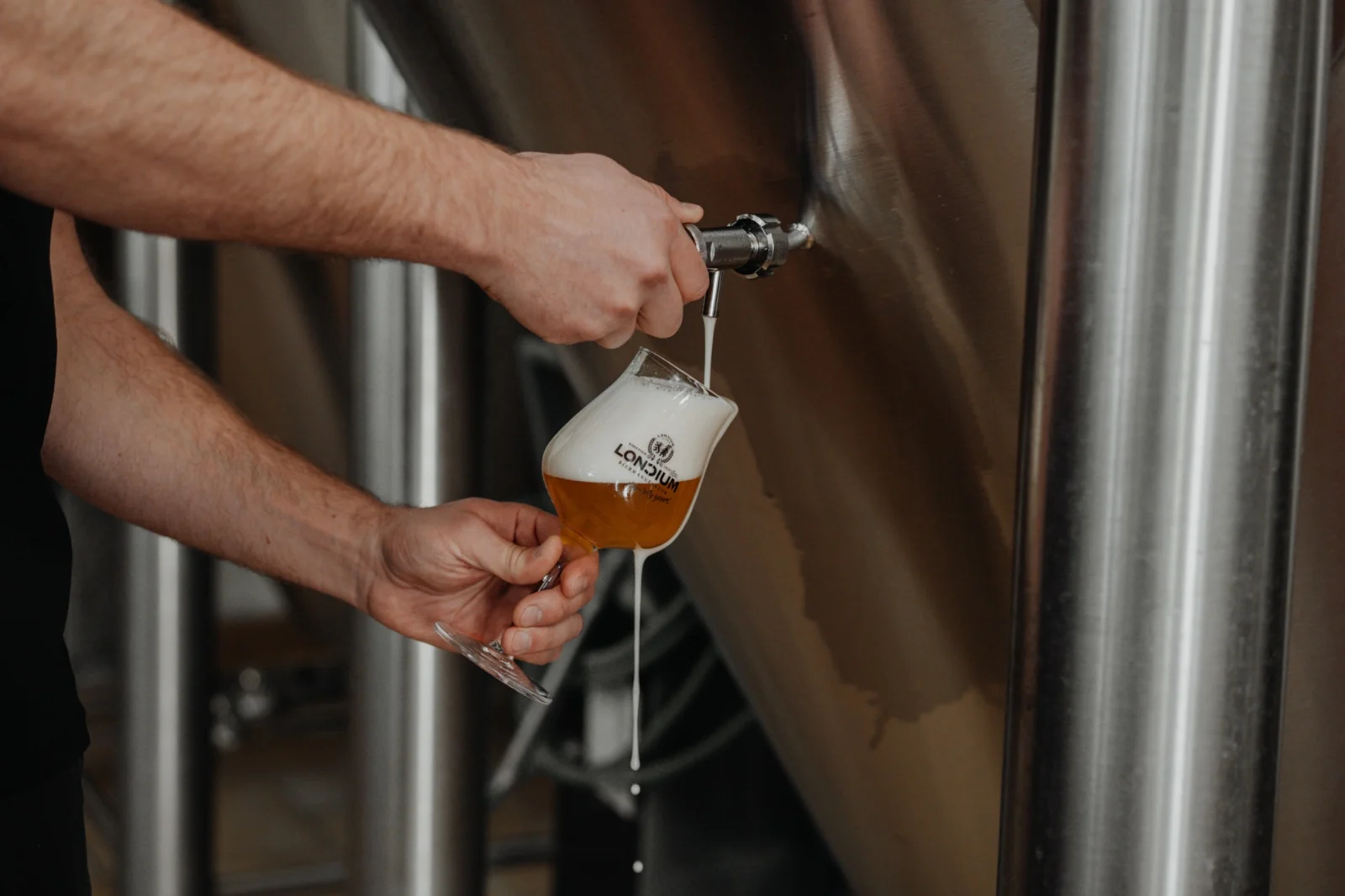
The story covers general principles, and the drawings illustrate the main stages. Information about LONCIUM’s history comes from our brewery.